
Food Standards Agency (FSA) Chair Professor Susan Jebb joined parliamentarians and partners from across the food system at the House of Commons to mark World Food Safety Day and celebrate those working to keep food safe. Full speech as follows:
Welcome, everyone. Thank you so much for joining us. It's wonderful to see familiar faces, and some new ones too.
Our reception coincides with World Food Safety Day at the weekend and feels like a fitting moment for us to be together. But I should say that for the FSA, every day is food safety day. It’s the bedrock of everything we do.
Food safety is not about good luck - it's about good systems and good people.
So, I want to thank everyone in the FSA who works to keep food safe, our delivery partners in local authorities and port health authorities, and food businesses, who carry the primary responsibility for food safety.
Why food safety matters
At this reception last year, we celebrated our 25th year.
I'm proud to say that since our founding at what was a difficult time for food safety in Britain, we have built something genuinely robust. A system that protects public health, supports businesses, and gives the public and our international partners confidence in UK food.
We oversee inspections of more than 600,000 food businesses. We investigate around 2,000 food safety incidents every year. And we established the Food Hygiene Rating Scheme helping consumers make informed choices about what to shop and eat.
Crucially, we want to shield the NHS from avoidable illness caused by lapses in food safety. Despite all our collective efforts around 2.4 million cases of foodborne illness still occur in the UK each year.
So alongside our work with food businesses, we want the public to understand more about food safety risks. And on the screen today are images from a couple of our current campaigns.
Our summer consumer campaign, which we’re launching this week, aims to help people implement good food hygiene habits at home. We particularly want to reach people who are more vulnerable to foodborne illness.
Please keep an eye out for our social media posts about the campaign and if you can amplify the content, it would be much appreciated.
Enabling innovation in the food system
As important as our origin story is, my mind is on the future.
The UK food sector is changing fast. We have new technologies, new production methods, new business models. We want to be an enabler of safe, responsible innovation, and an active partner in helping the UK food sector to thrive.
We do not want the way we regulate to be a drag on competitiveness. We want to support the agri-food tech sector to deliver for the UK economy as well as helping us to develop a more resilient food system.
But I also recognise a concern sometimes raised in these debates that supporting innovation or working closely with industry could come at the expense of the public interest. We don't see it that way.
Our role is to ensure that innovation happens in a way that's safe, transparent and grounded in evidence, so that it delivers real benefits for people.
Supporting responsible innovation and protecting consumers aren't competing goals. If we do them well, they can reinforce one another, giving people confidence in new products while allowing the sector to evolve in ways that meet changing expectations and needs.
Let me give you a couple of examples of what that looks like in practice.
We have just completed the first phase of our Innovation Research Programme. We’ve published a report on the emerging technologies in the food system, which helps our knowledge keep pace with what's coming down the tracks. It means we can provide the right guidance for businesses so they understand what they will need to do to assure us their foods are safe.
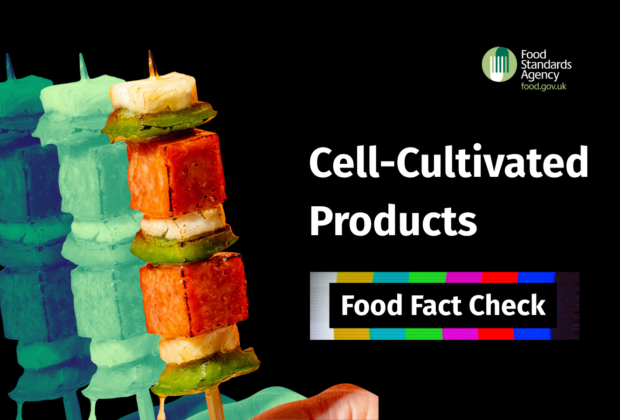
We've also launched our pioneering regulatory sandbox for cell-cultivated products - things like lab-grown meat. The sandbox allows companies to work through regulatory questions in a safe, structured environment, helping them to find a path to new markets and giving investors greater confidence in the regulatory pathway.
The third area we have prioritised is precision breeding - new genetic techniques that can alter the DNA of plants and animals in a quicker and more targeted way than selective breeding programmes, offering the potential to produce crops that are healthier or more resilient.
We’ve developed a proportionate regulatory framework for precision bred organisms that means we can make decisions on these products faster, while maintaining the high standards of safety and confidence that consumers expect.
This is what smart, modern regulation looks like. It's not about lowering standards, it’s about agile, risk-based, proportionate regulation that is fit for the future.
Regulation for growth
Since we met last year we’ve also been working hard on the forthcoming UK-EU SPS (Sanitary and Phytosanitary) agreement.
Aligning with EU rules on food and feed safety, animal health and plant health standards is a very significant development for every UK food business, regardless of whether they trade with the EU or not.
The UK’s exit from the EU meant new checks, new paperwork, and additional costs, for businesses on both sides. Alignment with EU law through an SPS agreement aims to remove many of these routine barriers.
Certificates and checks on agri-food goods would no longer be needed in most cases. Businesses would be able to move goods more quickly, with less paperwork, and with confidence that products won't be held up at the border without reason.
We’re working closely with businesses so that they can continue to thrive under EU alignment and realise the benefits to the UK economy, but we’re clear about the access we must secure to key agencies and systems so that we can ensure this deal also protects public health.
We recognise the need for proportionate transitional arrangements, and we are keen to secure targeted exceptions where these are in the UK’s interests, and which allow us to continue with some of the more innovative work I've described today.
Meanwhile, at home, we’re also progressing our Future Food Regulation Programme, to modernise the regulatory framework for food hygiene and standards in the UK.
Two years ago, the FSA carried out a year-long trial with major retailers, looking at whether we could regulate the biggest businesses at a national level, scrutinising their data and systems, combined with some checks on the ground. This is more not less regulatory oversight.
The government has asked us to take this forward and to build an effective, sustainable and trusted regulatory system that is fit for the future to ensure food is safe and what it says it is.
Food as a solution, not just a problem to manage
Let me close with something that I think is perhaps the most exciting part of where we are headed.
Food safety and food regulation have traditionally been framed around preventing bad things: illness, fraud, or loss of trust. While that remains absolutely central to what we do, I want us to see food as something more than that.
I know, from all the research I’ve done throughout my career, that food can be part of the solution to some of the biggest challenges facing our society such as diet-related disease and climate change.
The UK’s agri-food sector contributes £150billion to national economic output. It employs 4.2 million people. It’s a vital, strategic asset for this country and we need to ensure it’s a force for good.
That’s why our role is evolving. Alongside keeping food safe, we’re keen to support a system that makes it easier for healthier and more sustainable choices to become the norm.
I am pleased we are working with DHSC on Healthier Food Targets and Reporting - a new approach using data on the healthiness of food sales to bring greater transparency and accountability into the system to drive progress, while giving businesses flexibility in how they deliver it public health improvements. It reflects a shift from simply managing risk to actively enabling better outcomes for public health.
Conclusion
So, to wrap up, whether it’s protecting the NHS from avoidable foodborne illness, supporting the delivery of healthier food sales through smarter regulation, helping a food tech start‑up navigate our regulatory process, or working through the implications of a new trade agreement, the work at the FSA all connects back to our core mission: food you can trust.
The food system doesn’t stand still, and it’s important that as a regulator we keep adapting and improving what we do, to make sure that we’re protecting consumers now and in the future.
Thank you so much for your continued support for the FSA’s work, and for being here this afternoon. I care deeply about this work, and I know you are all equally committed to delivering a food system that works for everyone.
We have lots of our Board members, Directors and other officials here today so please do come and talk to us about how we can both keep food safe and make food a force for good.
Thank you.
Leave a comment